


13th March 2023
PP Control & Automation has promoted the considerations to be mindful of when navigating UL 508A for some time. And when doing so, questions linking to NFPA often enter the discussion. This supplement offers some clarity on the relationship between the two.
NFPA standards apply in several industries and settings where fire, electrical, and life safety hazards exist, including industrial facilities in relation to the safe operation and maintenance of machinery and electrical systems.
UL 508A on the other hand specifies requirements for various aspects of control panel design and construction, including electrical components, wiring, grounding, overcurrent protection, and safety features such as enclosure types. The standard also includes requirements for testing and certification of control panels to ensure compliance with safety requirements.
Is there confusion around both standards and how one ties back to the other, or whether or not they’re exclusive of one another? This guide attempts to navigate another approvals maze that machine builders may find themselves lost in.
So, let’s start there… Or follow this link if you’re here to take on the UL 508A & NFPA Challenge.

The quick answer is no. NFPA and UL have similar overriding missions to enhance safety but the approaches are different and their standards often overlap and can be complementary of each other. That is especially true in the case of UL 508A.
NFPA develops and publishes over 300 codes and standards that are often adopted by regulatory agencies and are used as the basis for building other codes and safety regulations.
In many cases, UL 508A may reference or incorporate NFPA standards, and vice versa in several instances. Three common instances include wiring methods, arc flash hazards, and electrical equipment selection.
UL 508A requires that control panel wiring be installed in accordance with applicable codes and standards, including NFPA 70, the National Electrical Code (NEC). This includes requirements for conductor sizing, overcurrent protection, and grounding, among others.
Arc flash hazards are a significant risk in many industrial settings. NFPA 70E, the Standard for Electrical Safety in the Workplace, provides guidance on evaluating and addressing arc flash hazards. However, If ICPs are designed to the letter to UL 508A, no testing is needed. Risk of arc flash would be mitigated by use of measures such as power interlocks and tools to open covers which give access to hazardous live parts.
UL 508A requires that electrical equipment used in control panels be selected in accordance with applicable codes and standards. This includes references to NFPA standards, such as NFPA 79, the Electrical Standard for Industrial Machinery.

Both NFPA and UL play important roles in promoting safety and reducing risks related to fire, electrical, and other safety hazards. While there may be some overlap and differences between their standards, they are not exclusive of one another and can often work together to achieve a common goal.
If navigating both NFPA and UL standards wasn’t complex enough, designers and manufacturers of control panels must also keep abreast of ongoing updates to these codes and standards. There have been several adjustments in NFPA regulations in recent years that are worth noting, as they can directly relate back to compliance with UL 508A.
These changes reflect the ongoing evolution of NFPA and are in many cases, non-negotiable in meeting control panel safety and compliance for certain regions, namely North America.
Three recent changes to be mindful of include:
The 2021 edition of NFPA 79 includes significant revisions related to control circuits and control devices used in industrial machinery. These changes may impact the design and construction of control panels covered by UL 508A.
The 2020 edition of NFPA 70 includes several changes related to industrial control panels, including revised requirements for wiring methods, overcurrent protection, and grounding. These changes may impact the design and installation of control panels covered by UL 508A.
The 2021 edition of NFPA 70E includes several changes related to electrical safety, including revised requirements for arc flash hazard analysis and risk assessment. These changes may impact the evaluation of arc flash hazards in control panels covered by UL 508A.


It is worth noting that it is possible for a control panel to be UL 508A certified but not NFPA certified. UL 508A and NFPA standards are both important for promoting safety in industrial control panels and related electrical systems, but they are separate sets of standards with their own specific requirements.
However, in many cases, manufacturers will seek both NFPA and UL 508A certification to ensure that their systems meet all relevant safety standards and give a sense of security to both the manufacturer and the end users.
The NFPA standards and codes are primarily developed for use in North America, and this is an overriding factor in why they overlap with UL and why it is so common for them to be brought up together in discussions around legislation and approval.
However, just like UL, NFPA standards are recognised and used around the world, and the organisation has members and stakeholders in many countries.
Also, NFPA codes are often used as a reference point by other organisations and countries when developing their own fire safety standards and in addition, the NFPA works with organisations around the world to develop consensus-based standards and codes for fire safety.
If machine builders want to comply with NFPA standards, they should begin by identifying which specific standards are relevant to their industry and application. The NFPA publishes more than 300 codes and standards, covering a wide range of topics related to fire safety, so it is important to identify the standards that are most applicable to the specific machine being built.
Once the relevant NFPA standards have been identified, machine builders should carefully review and understand the requirements of those standards and ensure that their machine design and manufacturing processes follow those requirements. This may involve making changes to the design or manufacturing process, as well as selecting components and materials that meet the relevant standards.
There are a few common pitfalls that machine builders should be aware of when attempting to comply with NFPA standards. These include:
While there may be some overlap between NFPA standards, it is important to understand that compliance with one standard does not necessarily mean compliance with all relevant standards.
NFPA standards are updated regularly, so it is important to stay up to date with any changes or updates to the relevant standards.
While compliance with NFPA standards is important, it is also important to consider overall safety and to take a holistic approach to machine design and manufacturing.
Given the complexity and specificity of NFPA standards, it may be best for machine builders to seek expert advice rather than attempting to go it alone. Consulting with a machine and control panel build outsourcing provider, with a network of key technical partners specialising in legislation and approvals will ensure that machinery and control systems are designed and manufactured to comply with any relevant standards for any application or region and is therefore safe for use.

When exporting to North America, there is a good chance you will need to comply with NFPA standards. It may even be required by law or regulation in certain industries or applications.
If machine builders fail to comply with NFPA standards, they can face several risks, which are very similar to those of non-compliance with UL.
If a machine does not comply with NFPA standards and causes injury or damage, the machine builder (and/or designer, installer, maintainer) may be held liable for any resulting damages.
If a machine does not comply with NFPA standards, it may be rejected by the customer or regulatory authorities, which can result in delays, additional costs, and damage to the machine builder’s reputation.
If a machine builder is found to be non-compliant with NFPA standards, they may be subject to fines or other penalties under applicable laws or regulations.
Yes, it is possible for NFPA and UL standards to contradict and cause issues for machine builders attempting to comply with both standards. Also there can be conflicts between US and Canadian requirements in some technical (and jurisdictional) areas so extra care must be taken for a panel or machine which is to be sold in the USA and Canada. Whilst both share a common goal of promoting fire safety, there may be some differences in the specific requirements or testing procedures they use and additional codes and standards apply in Canada.
For example, NFPA 79 and UL 508A are both standards that apply to industrial machinery, but they have some differences in their requirements and testing procedures. NFPA 79 includes requirements for electrical safety, control systems, and thermal management, among other things, while UL 508A includes similar requirements but also has its own specific testing procedures and certification process.
When machine builders are attempting to comply with both NFPA and UL standards, they may need to carefully navigate these potential differences and ensure that their machines meet all applicable requirements. Again, this often involves working with experts in strategic outsourcing, fire safety or legislation and approvals, who will conduct thorough testing and certification processes.
It is important to note that compliance with both NFPA and UL standards can help ensure that a machine is safe and meets all relevant requirements for fire safety. However, it may be challenging to comply with both standards, and machine builders may need to carefully balance the requirements and testing procedures of each standard.
To conclude this guide, 10 key considerations have been identified that will help organise and plan appropriately for NFPA compliance. You can find lots of similar considerations for compliance with UL by adding the UL 508A guide to your resource basket or catching up on related content. This guide is also available as a supplement download.
As a manufacturer of machinery, how confident are you that you are meeting the legal and technical requirements of the US and North American markets? Confusion in respect to UL508A and NFPA standards can be extremely costly.
Add to basket
In your basket
Understanding the relationship between UL 508A and NFPA standards to help machine builders navigate the confusion surrounding legislation in North America and Canada.
Add to basket
In your basket

Understand the applicable NFPA standards: There are many NFPA standards that apply to different industries and applications. Machine builders should identify the specific standards that apply to their machines and ensure that they understand the requirements of those standards.
Involve experts in fire safety and regulatory compliance: Compliance with NFPA standards can be complex, and it may be helpful to work with experts in fire safety or regulatory compliance to ensure that the machine meets all relevant requirements.
Conduct a risk assessment: A risk assessment can help identify potential fire hazards and risks associated with the machine. This can help inform design decisions and ensure that appropriate fire safety measures are in place.
Incorporate fire safety into the design process: Machine builders should consider fire safety at all stages of the design process, from initial concept to final testing and certification.
Use approved components: NFPA standards may require the use of specific components or materials that have been tested and approved for fire safety. Machine builders should ensure that all components used in the machine meet these requirements.
Follow proper installation and maintenance procedures: Proper installation and maintenance can help ensure that the machine operates safely and in compliance with NFPA standards.
Conduct thorough testing and certification: Testing and certification can help ensure that the machine meets all applicable NFPA standards and is safe for use. Machine builders should follow all relevant testing procedures and ensure that the machine is certified by a recognised testing organisation.
Provide appropriate documentation: Machine builders should provide appropriate documentation, such as manuals and schematics, to ensure that operators and maintenance personnel understand how to use and maintain the machine safely.
Stay up to date on changes to NFPA standards: NFPA standards are regularly updated to reflect new technology, research, and best practices. Machine builders should stay informed about these changes and ensure that their machines comply with the latest requirements.
Consider the intended use and environment of the machine: NFPA standards may have different requirements for machines used in different environments or applications. Machine builders should consider the intended use of the machine and ensure that it meets all applicable NFPA standards for that use.
As a manufacturer of machinery, how confident are you that you are meeting the legal and technical requirements of the US and North American markets? Confusion in respect to UL 508A and NFPA standards can be extremely costly, but hopefully this guide goes some way towards building the confidence machine builders need to make the most of big opportunities overseas.
If you’re up for testing your current knowledge on the topic, scroll down and take part in our UL 508A & NFPA Challenge!
For technical support on NFPA or UL requirements, ask PP C&A.
13 questions on UL 508A and NFPA have been compiled in a fun quiz format to test your knowledge on this often complex and confusing topic. Whether you’re learning the ropes or an accomplished expert, you’ll surely enjoy rising to this challenge.
Share the quiz and your score on social media after completion to challenge friends and colleagues.
Stefano Muraro of Rockwell Automation explores specific evolutions of UL508A standards and the impact on industrial control panels, highlighting innovative, sustainable solutions.

In this guest contribution to the ongoing Sustainability in UL Standards campaign, Phil Murby, UK Commercial Manager at Lutze explores a different approach to the construction of a control panel.

In this guest contribution to the ongoing Sustainability in UL Standards campaign, Phil Murby’s insights provide practical guidance on aligning control panel wiring practices with sustainability and compliance, offering tangible solutions for both efficiency and environmental stewardship.

As the manufacturing community increasingly leans towards sustainable practices, machine builders and OEMs find themselves at the centre of impact and progress. But there are several caveats to ‘doing the right thing’, that will almost certainly emerge. The implications for standards and certifications like UL508A for one, could be significant.

European machine builders are increasingly eyeing the lucrative North American market. Ian Knight believes accessing the opportunity depends on your firm’s ability to strategically navigate standards and avoid the pitfalls of safety compliance.

PP Control & Automation has long been promoting the considerations to be mindful of when navigating UL 508A. When doing so, questions linking to NFPA often enter the discussion. This supplement offers some clarity on the relationship between the two.

PP C&A has signed a deal with Product Approvals to boost its product certification offer to global clients.

Having an understanding of the processes encompassing inspection and evaluation is a major facet to the right UL practice for OEMs and the often overlooked considerations and risks when converting European builds to US-ready machines or when looking to expand into North America with new machine builds altogether.

With the control panels built and the components selected, all under UL guidance, machine connectivity will bring the whole thing together but there’s a serious worry that all that hard work can be undone by not understanding the importance of cabling in relation to UL.

Many definitions used in systems implemented in North America have no equivalent in the design of industrial installations according to European regulations. The reason for this is not a simple problem of different terminology, but a different conceptual approach altogether.

One of the UK’s leading strategic manufacturing specialists is tapping into the UK’s unprecedented investment in upgrading the electricity grid.

As Britain accelerates investment in grid infrastructure, protection and control capacity could become a critical delivery constraint.

The appointment of a new Prime Minister inevitably brings renewed debate about the direction of the UK economy and what it could mean for business.

Ian Knight, Chief Information Officer at PP Control & Automation (PP C&A) challenges the prevailing, often vague narrative around AI adoption and reframes the conversation around a more practical starting point: operational constraints.
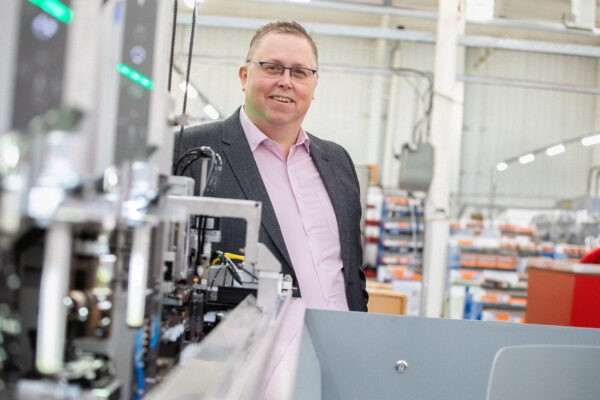
Artificial intelligence is no longer a distant concept for manufacturers. It is already being explored across quotation, production planning, engineering, quality, supply chain and customer service functions. Yet, for many organisations, the gap between experimentation and meaningful operational impact remains difficult to close.

A leading aquaculture specialist – that is changing the way fish are vaccinated safely – has signed a major manufacturing deal.

On paper, defined discipline-specific suppliers can look organised. However, every additional supplier introduces another handoff, and every handoff creates another point where time, quality, communication and accountability can be lost.

Very rarely does growth not surface because an OEM lacks ambition. Shortcomings arise because operating models built to support such ambition don’t evolve quickly enough.


