


20th April 2023
The energy industry is undergoing a rapid transformation, driven by the need to reduce carbon emissions and transition to a low-carbon economy.
This shift is creating new opportunities for OEMs to supply the energy sector with the equipment needed to support the growth of renewable energy and energy storage.
Renewable energy, such as wind, solar, and hydroelectric power, has experienced significant growth in recent years. According to the UK government’s Department for Business, Energy and Industrial Strategy (BEIS), renewable electricity generation in the UK reached a record high of 42.2% in Q3 2021. This growth has been supported by the increased capacity of renewable energy installations.
The trend towards renewable energy is driven by several factors, including environmental concerns, government incentives, and the decreasing cost of renewable energy technologies. As the demand grows, machine builders are playing a key role in supporting the transition to a low-carbon economy.


One of the most important areas for OEMs in the renewable energy sector is the development and production of wind turbines. Wind power is one of the most cost-effective forms of renewable energy, and as a result, the installation of wind turbines has increased significantly in recent years.
Large OEMs are leading the way, as they are in the development of energy storage systems, another key area of focus. Energy storage is essential for the effective integration of renewable energy into the grid, as it allows energy to be stored when supply exceeds demand and released when demand exceeds supply. This balancing act ensures a reliable supply of electricity.
OEMs are developing a range of energy storage technologies, including batteries, flywheels, and pumped hydro storage. Lithium-ion batteries have emerged as a key technology for energy storage, due to their high energy density and long cycle life.
However, there are obvious concerns about the use of lithium, both from an extraction perspective and end of life processing. As such, we could see new battery chemistry quickly accelerate.
While large OEMs dominate the renewable energy and energy storage markets, there are also several smaller disruptors entering the playing field with new technology. These companies are often focused on developing innovative solutions that can improve the efficiency and performance of renewable energy and energy storage systems.
The growing need for renewable energy and low-carbon technologies has spurred an increase in outsourcing partnerships among machine builders, as they seek to alleviate the pressure of meeting the market’s demand for high-performance equipment and machines.


Many companies are exploring outsourcing partnerships as a way to reduce costs, accelerate time to market, and access specialised expertise. PP Control & Automation has seen this first hand in the form of new technology development projects, where the unique PP+ offering has signposted new and emerging organisations to the specialist support and advice they need.
Similarly, increased demand for supporting significant build projects for established “players” in the sector are also benefiting from an outsourcing partnership, from machine builders supporting the global drive to net zero with innovative energy management solutions to those that will ultimately help modernise the national grid.
The best of manufacturing, business and academia have come together to bridge the £bn+ commercial valley of death in the UK.

What if by understanding what works across other regions, successful approaches can be combined to build a collaboration blueprint for UK manufacturers to call their own.
In an era where environmental concerns are at the forefront of global discourse, the UK manufacturing sector finds itself at a crossroads. To flourish, there is a compelling argument that it must undergo a profound transformation towards sustainability.

There are various types of machines and devices that contribute to the circular economy by enabling resource conservation, waste reduction, recycling, and the reuse of materials. The demand increase in these varieties has been more progressive in recent years.

When adopting new technologies and exploring emerging industries, there is often a disruptive element involved. They can challenge established norms, disrupt traditional industries, and require individuals and organisations to adapt to new ways of doing things.

PP Control & Automation has started working on projects worth more than £2million in the last year alone, projects that are all involved in renewable energy, energy storage and building machines for electrification across a myriad of transport sectors.

Navigating the maze of approvals is one that you really don’t want to be attempting alone. PP+ Growth Module Partner, Product Approvals Ltd is a specialist consultancy and testing solutions company.

The PP+ outsourcing model gives access to several ‘Growth Module Partners’ that sit within the realms of industrial design and offer a luxury of different design disciplines.

Within weeks, KPM is already reaping the rewards of the PP+ ecosystem of specialist Growth Module Partners.

One of the UK’s leading strategic manufacturing outsourcing specialists is aiming to help domestic businesses cross the well-publicised ‘valley of death’.

Machine builders in the energy market are delivering a wide range of applications that leverage advanced technologies to optimise energy production and distribution, increase efficiency, and reduce costs. Some examples of applications that machine builders in the energy market are delivering include:
Wind turbine control systems
Advanced control systems for wind turbines that optimise energy production, reduce maintenance costs, and improve safety.
Smart grid technology
Systems that integrate renewable energy sources and enable real-time monitoring and control of energy production and distribution.
Energy storage systems
Solutions such as batteries and flywheels to store energy generated by renewable sources and improve the stability and reliability of the power grid.
Energy management software
Software that enables energy managers to monitor and optimise energy use in buildings and industrial processes.
Solar panel manufacturing equipment
Equipment for the manufacturing of solar panels that increase efficiency and reduce costs.
Hydroelectric power generation equipment
Equipment for hydroelectric power generation that increases efficiency and reduces environmental impact.
Biomass processing equipment
Equipment for the processing of biomass that converts waste into energy.


The size and strength of the energy sector is a result of its many offshoots. Another area of opportunity for OEMs is the development of new low-carbon technologies for industries such as transportation, manufacturing, and construction.
For example, the electrification of vehicles is creating demand for new types of electric motors, power electronics, and battery management systems. There is also a growing need for low-carbon solutions in industries such as steel and cement manufacturing, which are currently responsible for a significant amount of global greenhouse gas emissions.
Low-carbon technology’s expansion into these industries, is a clear indication to the strategies that aim to reduce carbon emissions and meet sustainability targets.
In the transportation sector, electric and hybrid vehicles are becoming increasingly popular, as they offer a cleaner and more sustainable alternative to traditional petrol and diesel vehicles. The development of more efficient batteries has helped to improve the range and performance of electric vehicles, making them more practical for everyday use. In addition, hydrogen fuel cell technology is being developed as an alternative to battery-powered vehicles, with the potential to offer longer ranges and quicker refuelling times.
In the manufacturing sector, there is growing interest in using low-carbon technologies such as 3D printing and automation to reduce the carbon footprint of the production process. 3D printing, also known as additive manufacturing, is a process that allows products to be created from digital designs using layer-by-layer printing. This can reduce waste and energy consumption, as well as allowing for the creation of more complex and lightweight designs. Automation, such as using robots to assemble products, can also reduce waste and energy use, as well as increasing efficiency and productivity.
In the construction sector, low-carbon technologies such as green building materials and sustainable construction techniques are becoming increasingly popular. For example, materials such as bamboo, hemp, and straw can be used as alternatives to traditional building materials such as concrete and steel. In addition, construction techniques such as passive design, which uses natural heating and cooling systems, can reduce the energy consumption of buildings, and make them more sustainable.
Safe to say, low-carbon technologies are becoming increasingly important in a range of industries, as companies look for ways to reduce their carbon emissions and meet sustainability targets. Machine builders and OEMs are likely to play a key role in the development and implementation of these technologies, as they seek to provide the equipment and machinery necessary for their adoption.
The energy market in the UK is undergoing a significant transformation, driven by the increasing demand for renewable energy and the need to reach net-zero emissions by 2050. Whilst this transformation presents significant challenges for OEMs, it also creates new opportunities for those who can be innovative, be agile, and have the ability to scale at pace.
By working in collaboration with partners, the chances of success are increased. What is undeniable is that UK OEMs will play a key role in the transition to a low-carbon future for us all.
One of the UK’s leading strategic manufacturing specialists is tapping into the UK’s unprecedented investment in upgrading the electricity grid.
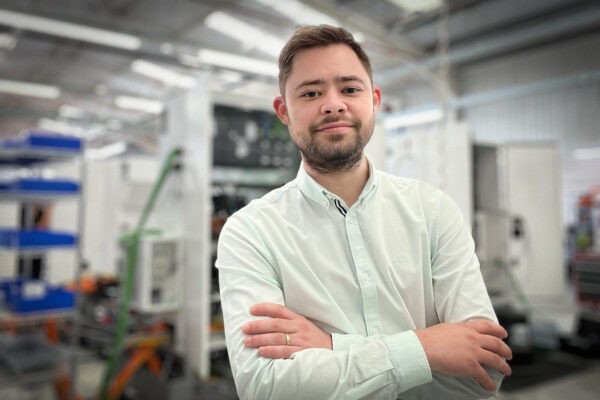
As Britain accelerates investment in grid infrastructure, protection and control capacity could become a critical delivery constraint.

The appointment of a new Prime Minister inevitably brings renewed debate about the direction of the UK economy and what it could mean for business.

Ian Knight, Chief Information Officer at PP Control & Automation (PP C&A) challenges the prevailing, often vague narrative around AI adoption and reframes the conversation around a more practical starting point: operational constraints.
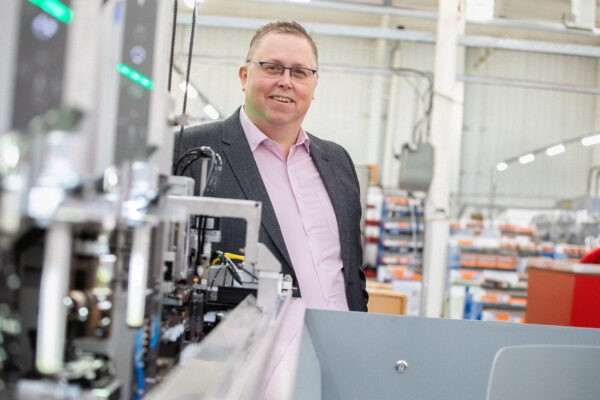
Artificial intelligence is no longer a distant concept for manufacturers. It is already being explored across quotation, production planning, engineering, quality, supply chain and customer service functions. Yet, for many organisations, the gap between experimentation and meaningful operational impact remains difficult to close.

A leading aquaculture specialist – that is changing the way fish are vaccinated safely – has signed a major manufacturing deal.

On paper, defined discipline-specific suppliers can look organised. However, every additional supplier introduces another handoff, and every handoff creates another point where time, quality, communication and accountability can be lost.

Very rarely does growth not surface because an OEM lacks ambition. Shortcomings arise because operating models built to support such ambition don’t evolve quickly enough.


