


6th December 2024

Welcome back to the Shock of the New campaign, which originally ran five stories from July – November 2023, concluding with a downloadable e-book comprising all stories and artwork.
Part II further investigates “The shock of the new” highlighting the dynamic relationship between innovation and the human response to change. It acknowledges that whilst change can be challenging, it can also lead to profound advancements and opportunities for societal and sustainable development.
Supporting artwork featured throughout this article is a continuation of the ai generated artwork featured in the original Shock of the New campaign. It uses ai prompts to depict emerging markets and technologies in different modern art styles – A nod to the inspiration of Robert Hughes’ documentary and book of the same name, along with the recent disruption and adoption of artificial intelligence technologies.
Interested in knowing more? Click Here.


The green transition is no longer a distant goal or an abstract concept – it is a defining force reshaping industries, economies, and societies.
For machine builders and original equipment manufacturers (OEMs), this presents a dual challenge: adapting operations to meet increasingly stringent sustainability standards and seizing the economic opportunities that this transition unlocks. At the heart of this transformation lies a somewhat critical element and one by no means overlooked: skills.
As highlighted in the 2024 Global Green Skills Report from LinkedIn, the accelerating demand for green talent and skills represents both a pressing challenge and a gateway to unprecedented growth for industries. Machine builders and OEMs, central to the production ecosystems of countless industries, must position themselves as leaders in this green revolution. By understanding the relationship between skills and economic opportunities, they can unlock new revenue streams, build resilient supply chains, and contribute to global sustainability targets.
The manufacturing sector, which contributes roughly a quarter of global emissions, finds itself under increasing pressure to decarbonise. This challenge is compounded by its role as the backbone of other industries – producing the machinery, equipment, and materials that enable transformation across sectors like energy, transportation, and construction.
The demand for sustainable solutions is clear. The report reveals that job postings requiring green skills in manufacturing rose by 13.2% over the past year, and the share of green talent hired into the sector increased by 7%. These figures underscore a tectonic shift: the machine builders and OEMs that equip other industries with the tools and technologies to reduce emissions will become indispensable players in the green economy.
Share of 2024 job postings requiring green skills
Whilst green talent demand grew 11.6% from 2023-2024, supply only increased by 5.6%.
Green skills relevant to machine builders and OEMs are diverse and rapidly evolving. At the forefront are competencies like energy efficiency, carbon management, and sustainable design. These skills are critical for meeting new demands, such as developing low-carbon versions of materials like steel and cement, optimising energy use in production processes, and integrating renewable energy technologies into machinery.
The rise of electric vehicles (EVs) offers a compelling example. EV manufacturing requires a fundamental shift in skills, with an emphasis on battery technology, automotive electrical systems, and advanced electronics. For OEMs, this means not only adapting existing operations but also upskilling the workforce to meet these new demands. The report highlights that 4.4% of automotive workers globally now possess EV-related skills – a figure that has grown by an average of 16% annually since 2016. This trend reflects the broader transformation underway across industries reliant on machine builders and OEMs.
The challenges of the green transition are of course significant, and this campaign has not shied away from bringing them forward, but the economic opportunities are equally profound. The report points to several areas where machine builders and OEMs are uniquely positioned to thrive:
The energy sector, responsible for 75% of global greenhouse gas emissions, is undergoing a seismic transformation. Governments worldwide have earmarked trillions of dollars for renewable energy projects, from wind and solar farms to hydrogen infrastructure. For machine builders, this translates into surging demand for equipment capable of supporting renewable energy production and grid modernisation.
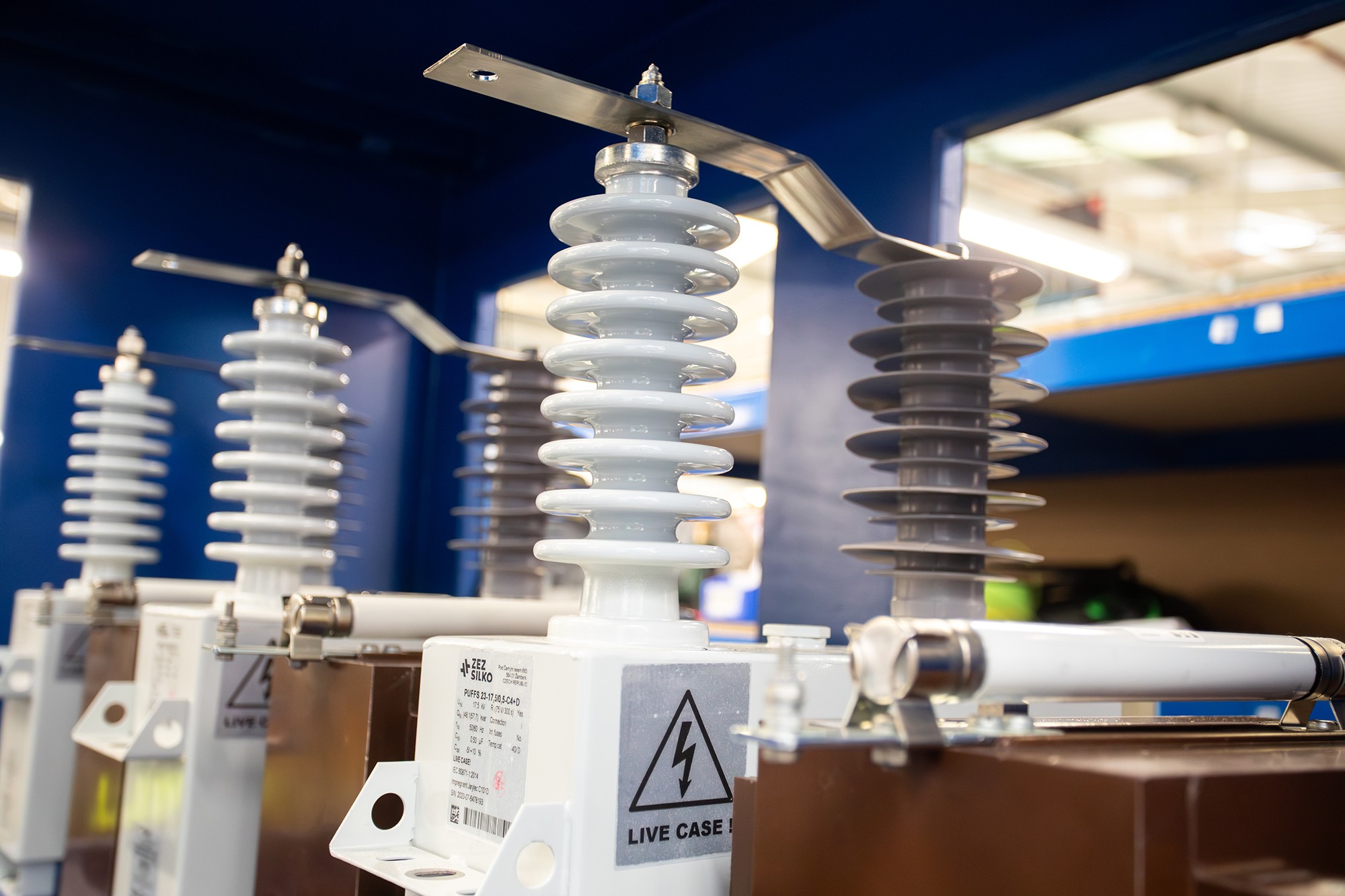
For example, the demand for high-voltage direct current (HVDC) systems is growing as utilities seek to connect renewable energy sources to the grid. OEMs equipped with the skills to design and manufacture such systems will be at the forefront of this market.
The shift toward a circular economy is reshaping manufacturing processes. Waste prevention and carbon management skills are among the fastest-growing green competencies in the industry. Machine builders and OEMs that can design equipment for recycling, remanufacturing, and energy efficiency will gain a competitive edge.
For instance, machinery that reduces material waste during production or equipment designed for disassembly and reuse aligns directly with emerging market demands.
Scope 3 emissions – those generated indirectly through a company’s value chain – are coming under increased scrutiny. OEMs that can provide solutions to decarbonise supply chains, such as low-carbon manufacturing equipment or software for tracking and reducing emissions, will become key partners for businesses striving to meet sustainability targets.
The market for technologies like solar panels, batteries, and heat pumps is expected to triple to a yearly value of $650 billion by 2030. This presents an enormous growth opportunity for machine builders producing the equipment needed to manufacture these technologies at scale.
To capitalise on these opportunities, machine builders and OEMs must address a critical bottleneck: the skills gap. The report emphasises the urgency of doubling the green talent pool by 2050, with nearly one in five jobs in the green economy projected to go unfilled by 2030. For machine builders, the implications are clear – success in the green economy hinges on workforce transformation.

Machine builders and OEMs must prioritise workforce upskilling, focusing on both technical competencies and sustainability literacy. Programmes like the OnePointFive Academy demonstrate the potential of targeted, hands-on training in areas like decarbonisation strategy and life cycle analysis. For OEMs, such initiatives could be tailored to equip employees with skills specific to sustainable manufacturing and energy-efficient design.
Equally, specialist outsourcing providers dedicated to skills development and training for the green transition will offer another strategic approach to meeting the changing demands of the market.
PP Control & Automation is one such partner, already active in clean energy, hydrogen and other green technology contract manufacturing and outsourcing. The typical benefits of a strategic partnership still hold true and overcome the constraints that machine builders will likely encounter as green skills enter the equation – people, space, and production capabilities.
As the clock ticks on this window of opportunity closing, outsourcing may just be the saving grace that machine builders in green, clean, and climate technology are looking for – direct access to green manufacturing skills and space, moving with the peaks and troughs of production demand, and bringing technology to market faster.


The green transition offers an opportunity to recruit talent from adjacent industries. As fossil fuel sectors contract, workers with transferable skills – such as process engineering or materials science – can be retrained for roles in renewable energy and sustainable manufacturing. This approach not only addresses the skills gap but also brings diverse perspectives into the industry.
Public-private partnerships are essential for scaling workforce development. Machine builders and OEMs should actively collaborate with governments and academic institutions to create training pipelines aligned with industry needs. Tax incentives for green apprenticeships, grants for R&D, and industry-specific certifications can all play a role in accelerating upskilling efforts.

Beyond workforce development, machine builders and OEMs must embrace innovation to remain competitive in the green economy. The report highlights the growing importance of AI and digital technologies in enabling sustainability.
For instance, AI-driven tools can optimise energy use in manufacturing, predict maintenance needs to reduce downtime, and model the environmental impact of production processes.
Companies like LineVision are already leveraging AI to increase grid capacity for renewable energy, showcasing the potential of technology to drive both operational efficiency and climate outcomes. Machine builders and OEMs that integrate similar innovations into their offerings will be well-positioned to lead the market.
The green transition is not merely a challenge to be overcome – it is a once-in-a-generation opportunity to redefine industries and economies. For machine builders and OEMs, the path forward requires a proactive approach to workforce transformation, innovation, and collaboration.
By aligning their strategies with the demand for green skills, they can unlock new markets, strengthen their competitive position, and contribute meaningfully to global sustainability efforts.
This moment calls for bold leadership, strategic partnerships, and a willingness to adapt. Those who rise to the occasion will not only thrive in the green economy but leave a lasting legacy. The stakes are high, but so are the rewards. As seems to be the theme of this campaign in recent editions – the time to act, really is now.
The Shock of the New campaign comprises of several stories published since July 2023. Part I of the campaign included 5 stories and a downloadable e-book. Part II will consist of five more stories and another e-book collection, releasing in 2025. All stories can be found in the carousel below.
“The shock of the new” highlights the dynamic relationship between innovation and the human response to change. It acknowledges that whilst change can be challenging, it can also lead to profound advancements and opportunities for societal and sustainable development.
The fourth industrial revolution has a new engine and manufacturing is on the cusp of its most transformative era since the invention of the assembly line.

Recent history has been defined by turbulence and supply chains have become the front line of disruption. These shocks have acted as both a warning and a wake-up call.

At the heart of the green transformation lies a somewhat critical element: skills. Shock of the New reacts to the 2024 Global Green Skills Report.

The Shock of the New campaign returns, as Tony Hague states that if the UK continues to outsource its green technology production overseas, it risks squandering a once-in-a-generation opportunity.

Over 70 pages, collecting every story from the Shock of the New campaign. Includes bonus content and available for instant free download.

What if by understanding what works across other regions, successful approaches can be combined to build a collaboration blueprint for UK manufacturers to call their own.
In an era where environmental concerns are at the forefront of global discourse, the UK manufacturing sector finds itself at a crossroads. To flourish, there is a compelling argument that it must undergo a profound transformation towards sustainability.

The Greentech landscape and opportunity for innovation and investment is driving the sustainability agenda and encompasses a wide range of new technologies.

There are various types of machines and devices that contribute to the circular economy by enabling resource conservation, waste reduction, recycling, and the reuse of materials. The demand increase in these varieties has been more progressive in recent years.

When adopting new technologies and exploring emerging industries, there is often a disruptive element involved. They can challenge established norms, disrupt traditional industries, and require individuals and organisations to adapt to new ways of doing things.

One of the UK’s leading strategic manufacturing specialists is tapping into the UK’s unprecedented investment in upgrading the electricity grid.
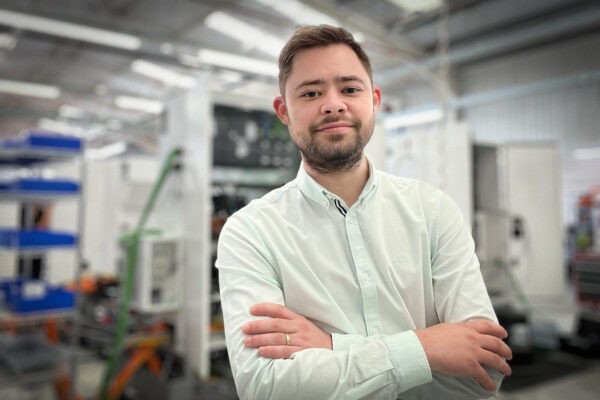
As Britain accelerates investment in grid infrastructure, protection and control capacity could become a critical delivery constraint.

The appointment of a new Prime Minister inevitably brings renewed debate about the direction of the UK economy and what it could mean for business.

Ian Knight, Chief Information Officer at PP Control & Automation (PP C&A) challenges the prevailing, often vague narrative around AI adoption and reframes the conversation around a more practical starting point: operational constraints.
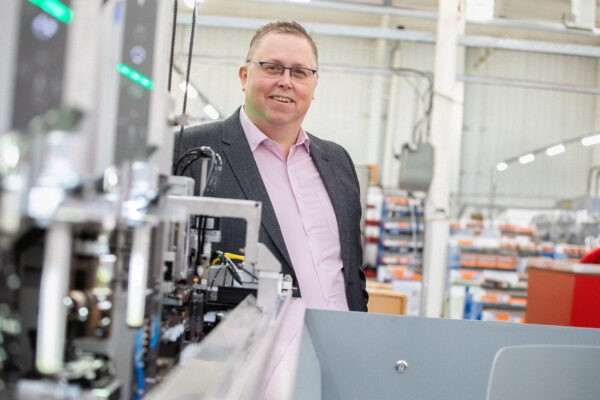
Artificial intelligence is no longer a distant concept for manufacturers. It is already being explored across quotation, production planning, engineering, quality, supply chain and customer service functions. Yet, for many organisations, the gap between experimentation and meaningful operational impact remains difficult to close.

A leading aquaculture specialist – that is changing the way fish are vaccinated safely – has signed a major manufacturing deal.

On paper, defined discipline-specific suppliers can look organised. However, every additional supplier introduces another handoff, and every handoff creates another point where time, quality, communication and accountability can be lost.

Very rarely does growth not surface because an OEM lacks ambition. Shortcomings arise because operating models built to support such ambition don’t evolve quickly enough.


