


25th August 2023
Greentech, or “green technology,” refers to the application of innovative technology to address environmental challenges and promote sustainability. The bold goal? To develop and implement solutions that have a positive impact on the environment, reduce greenhouse gas emissions, conserve natural resources, and promote a more sustainable and an eco-friendlier way of living.
As outlined in previous titles from the Shock of the New campaign series, the machines of the circular economy are major contributors and several emerging markets are focused on developing purpose-driven and green technologies.
Greentech encompasses a wide range of technologies and practices that can be applied to various sectors, including energy, transportation, agriculture, construction, waste management, and more.
Technologies that harness energy from renewable sources like solar, wind, hydro, geothermal, and biomass to generate electricity and heat without depleting natural resources or emitting greenhouse gases.
Innovations that improve energy efficiency in buildings, appliances, and industrial processes, reducing energy consumption and lowering carbon emissions.
Electric vehicles (EVs) and other alternative transportation methods that aim to reduce dependence on fossil fuels and lower emissions from the transportation sector.
Technologies and practices that promote sustainable farming, such as precision agriculture, organic farming, and aquaponics, aiming to reduce the environmental impact of agriculture and improve food production.
Established as part of the UK government’s Agritech strategy to develop, fund, and commercialise new precision agricultural technologies, Agri-EPI Centre is doing amazing work to bridge the gap between the people creating innovative new agricultural technologies, and those who benefit from them.
PP Control & Automation is one of its proud new network members and has penned a 5-point agritech mandate in response.
PP C&A has just been announced as Agri-EPI Centre’s newest network member, and will be using the organisation’s networking opportunities to communicate the benefits of strategic outsourcings.

Supporting artwork featured throughout this article is a continuation of the ai generated artwork featured in the Shock of the New campaign. It uses ai prompts to depict emerging markets and technologies in different modern art styles – A nod to the inspiration of Robert Hughes’ documentary and book of the same name, along with the recent disruption and adoption of artificial intelligence technologies.
Interested in knowing more? Click Here.


Solutions for recycling, composting, waste-to-energy conversion, and waste reduction to minimise the environmental impact of waste disposal.
Sustainable building materials, energy-efficient designs, and technologies that reduce the environmental footprint of construction and operation of buildings.
Technologies that help monitor, reduce, and control water and air pollution to protect the environment and public health.
Advanced energy distribution systems that optimise energy consumption, storage, and distribution to enhance grid efficiency and integrate renewable energy sources.
Technologies that capture carbon dioxide emissions from industrial processes or power plants and store them to prevent them from entering the atmosphere.

Greentech combines innovation, science, and engineering to develop solutions that balance human development with environmental stewardship – solutions like those being developed by machine builders and OEMs across several established and emerging markets.
The machinery and equipment industry is a linchpin of economic growth and crucial in its role of developing green technology. However, by driving progress and innovation in various sectors, the industry’s success becomes contingent on a reliable and sustainable energy supply.
A wealth of information from industry experts, research papers, and publications underscores the importance of the energy sector’s own evolutions in supporting the growth of emerging market machinery and equipment industries. In this context, Greentech emerges as a critical factor in advancing sustainability and environmental responsibility.
Emerging markets are increasingly turning to Greentech solutions to make their energy-intensive industries more environmentally friendly. By adopting energy-efficient machinery and equipment, such as smart grids, advanced HVAC systems, and sustainable materials, these industries can reduce their carbon footprint and operational costs. For instance, retrofitting existing manufacturing plants with energy-saving technologies can significantly contribute to the industry’s efforts to embrace greener practices.
In the construction sector, Greentech innovations play a transformative role in enhancing sustainability. Incorporating energy-efficient construction machinery and materials, such as low-emission construction equipment, eco-friendly building materials, and sustainable construction practices, can contribute to a greener construction industry. This shift aligns with the global push to reduce the construction sector’s environmental impact and promote eco-conscious building methods.
Greentech solutions offer substantial benefits to the agricultural sector and the rise of agritech. Precision agriculture technologies, such as IoT-enabled sensors and data analytics, help optimise resource usage and reduce waste. Furthermore, solar-powered irrigation systems and energy-efficient agricultural machinery can contribute to sustainable farming practices, conserving energy and water resources while increasing crop productivity.
Integrating Greentech into manufacturing machinery and processes is crucial to achieving sustainable industrial growth. Smart manufacturing practices, including real-time energy monitoring, energy-efficient robotics, and waste reduction measures, can lead to significant energy savings and resource conservation. The adoption of renewable energy sources to power manufacturing facilities further reinforces the industry’s commitment to green manufacturing.
Greentech innovations in transportation equipment are revolutionising the mobility landscape in emerging markets. The growing adoption of electric vehicles (EVs) and advancements in EV charging infrastructure have the potential to reduce emissions and dependence on fossil fuels. Governments and businesses can collaborate to incentivise EV adoption and develop sustainable transportation solutions, including battery-swapping stations and renewable-powered public transportation.
Another notable development is the rise of micromobility solutions, which complement traditional public transportation and contribute to sustainable urban mobility. Electric scooters and bicycles are particularly noteworthy in the micromobility revolution due to their energy efficiency. Powered by electric batteries, these vehicles have low operational costs and generate zero tailpipe emissions. Their compact size and ease of use make them an accessible and eco-conscious option for commuters seeking quick and sustainable transportation.
In the pursuit of greener energy sources, industry can harness the potential of renewable energy machinery. By investing in solar panels, wind turbines, and other renewable technologies, reliance on traditional fossil fuels will reduce and decrease greenhouse gas emissions. Coupling renewable energy machinery with energy storage solutions enhances grid stability, facilitating the integration of intermittent renewable energy sources into the power system.

Outsourcing the manufacture of machinery can contribute significantly to a greener future by leveraging the expertise and sustainable practices of manufacturers in regions with advanced Greentech capabilities. This approach aligns with the principles of eco-consciousness, resource efficiency, and reduced environmental impact.
Outsourcing machinery production to manufacturers with established Greentech practices allows businesses to tap into sustainable manufacturing processes. These manufacturers often adhere to stringent environmental standards, emphasising energy efficiency, waste reduction, and responsible resource consumption. By adopting these practices, businesses can minimise their own carbon footprint and contribute to a greener future.
Greentech-focused manufacturers are more likely to use eco-friendly materials and components in machinery production. This includes recyclable and biodegradable materials, reducing the environmental impact of machinery throughout its lifecycle. Outsourcing to such manufacturers enables businesses to procure equipment with a reduced environmental footprint and support the circular economy.
Outsourcing to partners with access to renewable energy resources enables machinery manufacturers to harness the benefits of eco-friendlier facilities. At PP Control & Automation, the use of solar panels as an energy source is one such example, and specialist voltage optimisation equipment used to reduce carbon footprint. This approach not only lowers greenhouse gas emissions but also showcases a commitment to sustainability throughout the supply chain.
As such, Greentech practices often translate to cost savings through reduced energy consumption and material waste. Outsourcing to manufacturers that prioritise resource optimisation and waste reduction can lead to cost-effective machinery production while contributing to a more sustainable supply chain.
In some cases, outsourcing machinery manufacture to regions closer to the target market can reduce transportation emissions. By selecting manufacturers strategically based on proximity to the end-users or deployment sites, businesses can minimise the carbon emissions associated with transporting machinery over long distances.
Importantly, the best outsourcing partnerships are rooted in collaboration. By collaborating with partners invested in sustainable practices, businesses can exchange ideas and technologies that promote resource conservation and environmental responsibility.
Outsourcing the manufacture of machinery can be a strategic and impactful move for businesses looking to contribute to a greener future. By embracing sustainable manufacturing practices, eco-friendly materials, renewable energy sources, and shared innovation, businesses can play an active role in reducing their environmental footprint. As the machinery and equipment industry evolves towards a more sustainable future, outsourcing becomes not only a business strategy for efficiency but also a conscious choice to support environmental conservation and pave the way for a greener tomorrow.

The global stage is witnessing a remarkable shift towards Greentech innovation. As countries strive to reduce their carbon footprints and transition to cleaner, more efficient energy sources, some have surged ahead, establishing themselves as pioneers in the Greentech market. This transformative journey is not only reshaping industries but also presenting unprecedented opportunities for economic growth.
At the forefront of this movement, a handful of nations have made significant strides, carving out their positions as leaders in Greentech adoption and development. Countries such as China, Germany, and the United States have emerged as beacons of progress, investing heavily in renewable energy, electric mobility, and sustainable infrastructure.
Yet, as the landscape evolves, there is a clarion call for others to catch up and compete on this crucial global stage. Among these aspirants is the United Kingdom, a nation brimming with potential and innovation. To solidify its position and contribute meaningfully to the Greentech revolution, the UK must continue to prioritise research and development, foster public-private collaborations, and enact policies that incentivise the adoption of green technologies. By cultivating an ecosystem that nurtures innovation and sustainability, the UK can position itself as a formidable contender.
In 2022, GovGrant looked at worldwide investment data into green technology, collected from https://pitchbook.com/, and painting a picture of the UK’s position amongst the biggest players.
An exploration was conducted into firms that secured investment starting from January 1, 2000. The focus encompassed entities engaged in advancing technologies across diverse domains including decarbonisation, renewable energy, agricultural innovations, and more.
On a global scale, the cohort comprises in excess of 21,800 businesses, out of which 8,500 are situated in Europe. Specifically, nearly 2,000 of these enterprises are based in the UK, highlighting the country’s contribution of approximately 9% to the pool of innovating companies that have secured investments since the turn of the century.
The Greentech industries attracting investment is broad, but globally, in Europe and the UK, four industries are prominent: energy production, environmental services, alternative energy equipment, and energy assets. Globally and in Europe, automotive makes up the top 5 industries attracting investment, whereas water utilities takes 5th spot in the UK. The breakdown with investment (£bn) value is illustrated below.
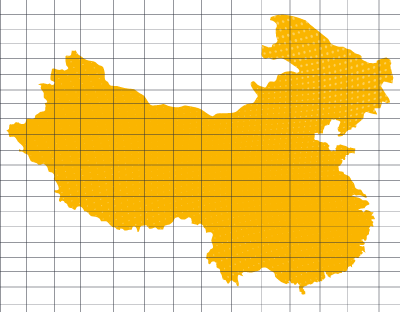
China has been a major player in the green technology sector, especially in renewable energy equipment manufacturing such as solar panels and wind turbines. The country has also made significant investments in electric vehicles (EVs) and battery technology.
Germany is renowned for its commitment to renewable energy and sustainable practices. The country has a strong focus on manufacturing efficient and environmentally friendly machinery and equipment, including solar panels, wind turbines, and energy-efficient appliances.

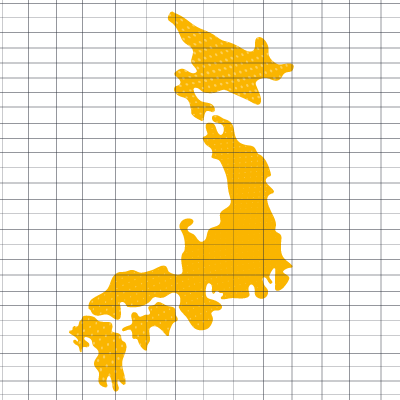
Japan is a pioneer in green technology, particularly in the development of advanced machinery and equipment for clean energy generation. The country has been a leader in the production of hybrid and electric vehicles, as well as energy-efficient industrial equipment.
The United States is home to many innovative green technology companies. It has made significant progress in the development and deployment of renewable energy technologies, such as solar and wind power, as well as electric vehicles and energy-efficient appliances.

Denmark has made impressive advancements in wind energy technology and is a global leader in the production of wind turbines. The country has also invested in sustainable transportation solutions and green infrastructure.

Sweden has been actively promoting sustainability and green technology. It is known for its efforts in manufacturing energy-efficient machinery and equipment, as well as its commitment to renewable energy sources.

South Korea has been a prominent player in green technology, especially in the electric vehicle and battery industries. The country has shown strong support for clean energy initiatives and green manufacturing practices.

Norway is notable for its emphasis on renewable energy, particularly in hydropower and electric mobility. The country has been a leader in the adoption of electric vehicles and sustainable transportation solutions.


PP Plus is an easy access support network designed to help create a more sustainable and environmentally friendly future by supporting the growth of technological innovations in the UK.
PP Plus offers three pillars of support (Manufacturing, Business, Academia) that give access to hundreds of capabilities, services, and methods to help fledgling businesses rise through seed investment, to the flourishing market debut of their ground-breaking green technology.
The PP Plus partner network, founded by PP C&A, is a carefully curated collective, selected with discernment and purpose. They share a unique blueprint for better collaboration. Together, they constitute the most accessible growth support network in UK manufacturing, serving as the catalyst for a multiplier effect that unites entire communities in the shared mission of guiding successful innovation.
For more information on how PP Plus is supporting GreenTech innovators, see the brand new website, launched to promote its important mission and the services of its network of over 20 partners.

In an assessment of the European Greentech sector conducted by sustainable consumer goods firm Bower Collective, the UK has secured the fourth position in terms of green technology innovation. A comprehensive study of the sector unveiled Germany as the leader of the list, trailed by Sweden. France and the Netherlands jointly occupied the third spot in the rankings, as determined by an analysis encompassing investments and patents.
However, the top nations for green technology investments were significantly higher than the UK. But entering the top 5 in Europe is surely a positive sign. Emphasis again should be placed on public-private, and cross-discipline collaboration.
As the machinery and equipment industries in emerging markets evolve, Greentech emerges as a central force driving sustainability and environmental responsibility. By embracing energy-efficient machinery, sustainable construction practices, precision agriculture technologies, green manufacturing processes, and clean transportation solutions, emerging markets can pave the way towards a brighter and greener future.
Governments, businesses, and communities must collaborate to accelerate the adoption of Greentech innovations, ensuring a sustainable trajectory for the machinery and equipment industry and contributing to global efforts to combat climate change. The central role of the energy sector in this transformation cannot be understated, making it crucial to prioritise investments in clean energy infrastructure and renewable energy sources for a cleaner, more resilient tomorrow.
Every story so far from the Shock of the New campaign will be updated below as they’re published.
“The shock of the new” highlights the dynamic relationship between innovation and the human response to change. It acknowledges that whilst change can be challenging, it can also lead to profound advancements and opportunities for societal and sustainable development.
The fourth industrial revolution has a new engine and manufacturing is on the cusp of its most transformative era since the invention of the assembly line.

Recent history has been defined by turbulence and supply chains have become the front line of disruption. These shocks have acted as both a warning and a wake-up call.

At the heart of the green transformation lies a somewhat critical element: skills. Shock of the New reacts to the 2024 Global Green Skills Report.

The Shock of the New campaign returns, as Tony Hague states that if the UK continues to outsource its green technology production overseas, it risks squandering a once-in-a-generation opportunity.

Over 70 pages, collecting every story from the Shock of the New campaign. Includes bonus content and available for instant free download.

What if by understanding what works across other regions, successful approaches can be combined to build a collaboration blueprint for UK manufacturers to call their own.
In an era where environmental concerns are at the forefront of global discourse, the UK manufacturing sector finds itself at a crossroads. To flourish, there is a compelling argument that it must undergo a profound transformation towards sustainability.

The Greentech landscape and opportunity for innovation and investment is driving the sustainability agenda and encompasses a wide range of new technologies.

There are various types of machines and devices that contribute to the circular economy by enabling resource conservation, waste reduction, recycling, and the reuse of materials. The demand increase in these varieties has been more progressive in recent years.

When adopting new technologies and exploring emerging industries, there is often a disruptive element involved. They can challenge established norms, disrupt traditional industries, and require individuals and organisations to adapt to new ways of doing things.

One of the UK’s leading strategic manufacturing specialists is tapping into the UK’s unprecedented investment in upgrading the electricity grid.
As Britain accelerates investment in grid infrastructure, protection and control capacity could become a critical delivery constraint.

The appointment of a new Prime Minister inevitably brings renewed debate about the direction of the UK economy and what it could mean for business.

Ian Knight, Chief Information Officer at PP Control & Automation (PP C&A) challenges the prevailing, often vague narrative around AI adoption and reframes the conversation around a more practical starting point: operational constraints.
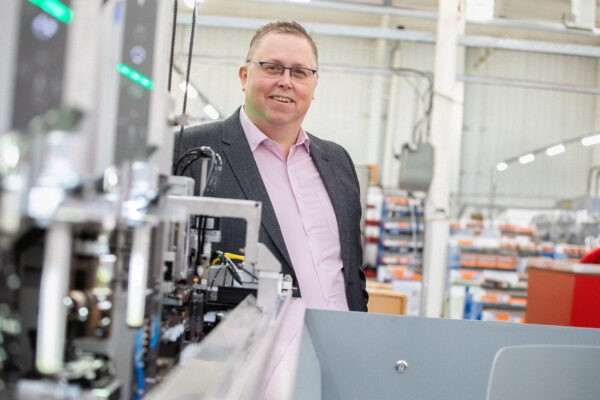
Artificial intelligence is no longer a distant concept for manufacturers. It is already being explored across quotation, production planning, engineering, quality, supply chain and customer service functions. Yet, for many organisations, the gap between experimentation and meaningful operational impact remains difficult to close.

A leading aquaculture specialist – that is changing the way fish are vaccinated safely – has signed a major manufacturing deal.

On paper, defined discipline-specific suppliers can look organised. However, every additional supplier introduces another handoff, and every handoff creates another point where time, quality, communication and accountability can be lost.

Very rarely does growth not surface because an OEM lacks ambition. Shortcomings arise because operating models built to support such ambition don’t evolve quickly enough.


