


4th May 2023
Time-to-market is a critical factor in the success of any product, and it is particularly important in the machine building industry. There are challenges to overcome though, before realising the true impact and the benefits of a short time-to-market practice.
A significant challenge facing machine builders in attempting to achieve a short time-to-market is the need to balance speed with quality and reliability. Rushing a machine design can result in errors, defects, and suboptimal performance, which can be harmful to the machine builder’s reputation.
Another challenge machine builders face in achieving a short time-to-market is the need to quickly adapt to changing market demands. Customer requirements and industry standards are continually evolving, and machine builders must stay ahead of these changes to ensure that they remain competitive and compliant. This requires agility and flexibility in the design and manufacturing processes.
Despite the challenges, achieving a short time-to-market offers several benefits.
Achieving a short time-to-market will become a significant success factor for machine builders. Whilst it presents several challenges, such as balancing speed and quality, machine builders can reap big benefits from launching their machines in good time, including:
A shorter time-to-market allows machine builders to get their products to market faster, giving them a competitive advantage over their rivals.
Launching machines sooner means that machine builders can start generating revenue earlier and increase their market share.
Customers value timely delivery of machines, and a shorter time-to-market can help machine builders meet their expectations, which can lead to increased customer satisfaction and loyalty.
A shorter time-to-market can help machine builders reduce development costs by minimising the need for rework and redesign, and accelerating return on investment.
Quite often you see different processes and technologies developed by different machine builders to achieve a similar end goal. Speed-to-market can be the key differentiator between success and failure, and ultimately, market share.

Machine builders can manage short time-to-market while ensuring quality by adopting strategies in their design and manufacturing processes, from standardisation and modularity to rigorous NPI processes.
Standardisation and modularity are two important approaches to consider, especially when many companies continue to develop a product design that leads to unnecessary costs, requires an inflexible supply chain, and suffers from inefficient manufacturing processes.
Engineering, operations, and supply chain should be integrated to help optimise a machine design that is efficient to manufacture and has parts readily available, ensuring a quicker time to market. A trusted outsourcing partner will ensure this approach is facilitated as early as possible.
Standardisation of components, sub-assemblies, and interfaces can work in a machine builders’ favour to save time and reduce errors. By using pre-engineered standard components, machine builders can build quickly whilst safe in the knowledge that quality standards are being met. A standard design though, still needs configurable options as to not lose flexibility and the ability to customise to specific requirements.
It often takes close collaboration with an outsourcing partner to work through initial designs, identify savings and explore ways in which models can offer different configurations – all from a standardised platform.


Design for Manufacturing engineers at PP Control & Automation have worked closely with customers from the outset of an outsourcing strategy and at the conceptual stage of machine design. They look at ways in which value can be added, unnecessary costs eliminated, and how the build process can be standardised, whilst still being able to deliver greater scope for the customer to configure machines.
Considering that ‘total manufacturing cost’ is a key element of this, it is important to understand the process, time (and ultimately the cost) of the total machine assembly, and how a specific design can help optimise these details.
This is an area that your partner should focus on with you, working closely to understand first-hand the exact processes of the machine build. Ideally, this collaboration would include your own engineers and take place in your own facility. The best approach is a focus on identifying any areas of non-value add. A key area is often that of machine interconnectivity, and the ability to design standard ‘plug & play’ solutions. This will help to speed up connectivity and offer proven reliability in the field.
An outsourcing partner will also inherit and take full responsibility for total supply chain management, making vendor reduction and rationalisation another big ‘value add’ practice.
Standardisation can also be a sound route to compliance. For example, when designing a machine to meet UL / CSA / NFPA requirements for North America, it is important to understand the specific standards that are applicable to the machine’s process and application. This may involve incorporating specific safety features or using materials and components that meet certain criteria. This approach ensures no hold-ups at the machine testing and evaluation phase by a UL-approved facility.
Those potential hold-ups are damaging. If the machine fails the UL certification process, then the manufacturer will be required to make significant design changes to bring the machine into compliance – A costly and time-consuming barrier that will cause delays in bringing the product to market and the risk of consequential costs and future business opportunities with that client.
Stefano Muraro of Rockwell Automation explores specific evolutions of UL508A standards and the impact on industrial control panels, highlighting innovative, sustainable solutions.

In this guest contribution to the ongoing Sustainability in UL Standards campaign, Phil Murby, UK Commercial Manager at Lutze explores a different approach to the construction of a control panel.

In this guest contribution to the ongoing Sustainability in UL Standards campaign, Phil Murby’s insights provide practical guidance on aligning control panel wiring practices with sustainability and compliance, offering tangible solutions for both efficiency and environmental stewardship.

As the manufacturing community increasingly leans towards sustainable practices, machine builders and OEMs find themselves at the centre of impact and progress. But there are several caveats to ‘doing the right thing’, that will almost certainly emerge. The implications for standards and certifications like UL508A for one, could be significant.

European machine builders are increasingly eyeing the lucrative North American market. Ian Knight believes accessing the opportunity depends on your firm’s ability to strategically navigate standards and avoid the pitfalls of safety compliance.

PP Control & Automation has long been promoting the considerations to be mindful of when navigating UL 508A. When doing so, questions linking to NFPA often enter the discussion. This supplement offers some clarity on the relationship between the two.

PP C&A has signed a deal with Product Approvals to boost its product certification offer to global clients.

Having an understanding of the processes encompassing inspection and evaluation is a major facet to the right UL practice for OEMs and the often overlooked considerations and risks when converting European builds to US-ready machines or when looking to expand into North America with new machine builds altogether.

With the control panels built and the components selected, all under UL guidance, machine connectivity will bring the whole thing together but there’s a serious worry that all that hard work can be undone by not understanding the importance of cabling in relation to UL.

Many definitions used in systems implemented in North America have no equivalent in the design of industrial installations according to European regulations. The reason for this is not a simple problem of different terminology, but a different conceptual approach altogether.


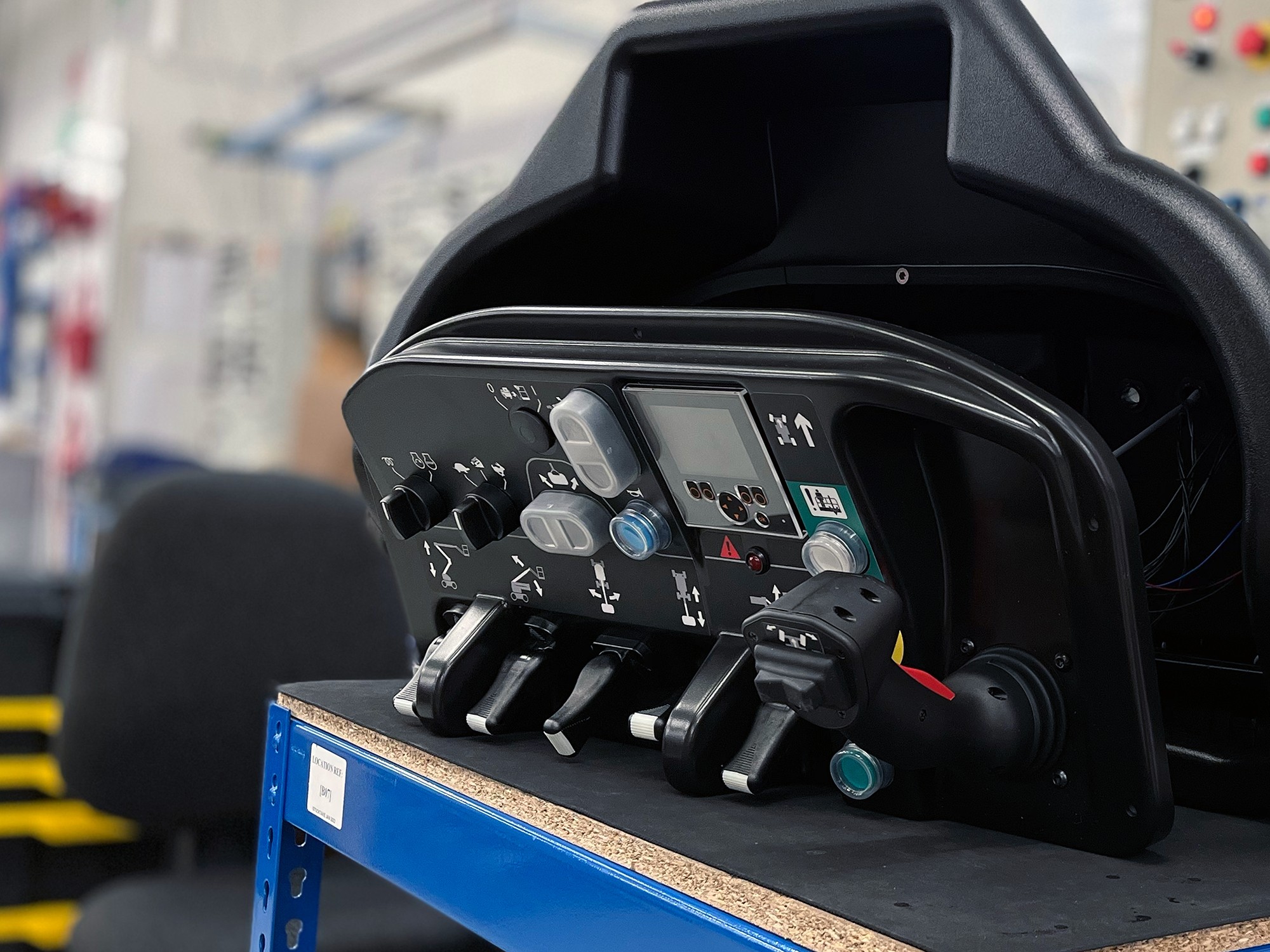
In a similar fashion of efficiency to standardisation, a modular machine design approach will allow for easy customisation whilst reducing development time. Machine builders can create ‘modules’ that can be combined in various ways to meet specific customer requirements, offering a ‘configurable’ approach to machine build. This approach can unlock the ability to offer customised solutions without sacrificing speed or quality.
PP C&A’s partnership with one of the World’s leading printing machine manufacturers is a good example of the modular approach. ABG is a manufacturer of print finishing equipment, with over 11,000 machines installed worldwide since it was established in 1954.
During the design engineering discussions with the customer, it quickly became apparent that a more value-added design would be beneficial, allowing for a modular, configurable, and pre-wired (Plug & play) style solution.
With the creation of a successful enclosure system design; the cable harnessing and the interconnectivity around the machines could be considered and a modular approach would be a lot more cost and time effective. PP C&A engineers designed a process that would see the modules fully assembled at its own facility.
Cable harnesses were designed to ensure that they were jigged to the optimum lengths and therefore could be plugged straight into the mating halves around the machine, whether distributing power or signals. That meant that the client could then make the switch from hard wired sensors to M8 and M12 connectivity, allowing for swift assembly and test.
Using distributed I/O technology vastly reduced wiring time and paved the way for a complete plug & play assembly process around the machine.
The time-to-market benefits were significant, with the customer seeing a 60% improvement in electrical fit-out time, eliminating over 700 days of production each year, and increasing production capacity by over 50%.
New Product Introduction (NPI) can help a machine builder bring their product to market more quickly by identifying potential issues as well as identifying opportunities for improvement early on.
Taking more time in the NPI phase can often result in a quicker more efficient ‘roll out’ and scale up of production, so this should not be rushed. A good outsourcing partner should have a formal ‘gated’ NPI process rather than take an ad-hoc approach full of risk.
Good NPI can result in:
With a well-planned NPI process, the machine builder can identify and address potential design issues early in the development cycle. This can help reduce the time and cost of making design changes later in the process, which can significantly impact time to market.
NPI can help a machine builder streamline their processes and ensure that everyone involved in the development cycle is working together efficiently. This can help eliminate delays and ensure that the machine is built as quickly and effectively as possible.
The NPI process can also help a machine builder create and test prototypes more efficiently. This can help identify any issues early on and allow for changes to be made quickly, reducing the time required for prototyping and testing.
Managing the supply chain effectively is critical to a successful NPI process. By working closely with suppliers and ensuring that all necessary components are available when needed, a machine builder can minimise delays and keep the project on track.
The faster the machine development, production readiness and commercialisation, the faster that revenue stream can be accessed by the builder as part of the revenue growth strategy.
Increased revenue is a significant outcome, and there are several other financial benefits to bringing machines to market faster, including reduced development costs, improved ROI, increased profit margins and enhanced cash flow.

One of the most apparent financial benefits of bringing machines to market faster is the increased revenue potential. Launching machines sooner means that machine builders can start generating revenue earlier, resulting in more significant sales and revenue growth. Additionally, by being the first to market, machine builders can capture market share before competitors, which can help establish a competitive advantage.
By reducing the time-to-market, machine builders can also reduce development costs. Shorter development times mean that fewer resources are required to bring a machine to market, resulting in lower overall costs. This can translate into higher profits for the machine builder.
A shorter time-to-market can also help improve return on investment (ROI) for the machine builder. By generating revenue sooner and reducing development costs, the ROI for a machine project can improve significantly.
By launching machines sooner and capturing market share, machine builders can also benefit from increased profit margins. As demand for their machines grow, they can be strategic with pricing models and help increase profits.
Shorter time-to-market can also help improve cash flow for machine builders. By generating revenue sooner, machine builders can improve their cash flow position, allowing them to invest in new projects or expand their operations.
Generating revenues sooner and getting your technology adopted, creates real competitive advantage. Once the target market has accepted that technology/solution – the more difficult it is for a competitor/alternative technology to enter that market space.
Being the first to market with a new machine, solution or technology can provide a significant competitive advantage. By launching a new machine before competitors, machine builders can capture market share and establish themselves as the industry leader in that category.
Customers may be more likely to choose the first machine available, especially if it offers significant benefits over existing machines. And by being the first to offer a new machine or technology, you can capture a larger share of the market before competitors enter the space. This gives the business a substantial opportunity to establish themselves as the dominant market player and increase long-term profitability.
Machine builders may also find themselves in a position to build customer loyalty more successfully too. Customers are more likely to return to a supplier that consistently delivers new and improved machines, especially if they are the first to offer them. This enhanced reputation can lead to increased trust from customers and partners, whilst also helping to attract new talent.
But a sum of all parts in relation to creating competitive advantage, is increasing profitability. Faster time-to-market or capturing market share early on, can generate more revenue and increase profits. And as previously referenced; by reducing development costs, machine builders can further improve those profit margins.


There are several barriers that can get in the way of a short time to market for machine builders. Whilst they can appear daunting, they can be managed. To overcome them requires either a combination of excellent strategic planning, large investment, and engineering agility, or a robust outsourcing strategy with a trusted partner that already invests in these areas of competence.
Let’s consider the challenge as 4 key obstacles:
Developing and launching a new machine requires a significant investment of time, money, and talent. Machine builders may struggle to access the necessary resources, such as engineering skill, prototyping facilities, and testing equipment, to bring machines to market quickly.
Many industries, such as healthcare, aerospace, and automotive, are highly regulated, which can create complex compliance requirements for machine builders. Meeting these regulations can be time-consuming and expensive, which can delay time-to-market. Specific geographic legislation such as UL 508A and NFPA79 are also typical of the type of regulatory complexity becoming an obstacle.
Many machine builders will rely on complex supply chains to source components and raw materials. Disruptions in the supply chain, such as shortages or delays, can cause significant problems for production readiness and quickly impact time-to-market.
Customer requirements and preferences can change quickly, which can impact the development process. Machine builders may need to pivot their development efforts to meet changing customer demands, which can add time and cost to the process.

Time to market is undoubtedly a critical factor that machine builders should consider when developing new machines. Shorter time-to-market can provide the opportunity to benefit financially, with lower development costs, higher profitability, and competitive advantage.
However, there are several barriers that can slow down time-to-market. To overcome these barriers, machine builders need to plan strategically, invest wisely, and remain agile to adapt to changing circumstances.
A strategic outsourcing partner can assist in overcoming such barriers. A partnership will, without any doubt, accelerate the time to market challenge and deliver scalability from prototype stage through to production volumes.
Reduced development time and costs, faster product iterations, and quicker access to new markets are all within reach, and strategic partnerships will get machine builders there faster. Moreover, there are advanced technologies that are becoming more and more utilised to help efforts, such as digital twins, simulation software, and machine learning.
These such advances will further help machine builders accelerate product development, optimise design and performance, and improve customer satisfaction. Furthermore, the increasing availability of cloud-based tools and open-source platforms, coupled with the proliferation of IoT devices, is creating new opportunities for innovation and collaboration in the industry. With these advancements and strategic partnerships, machine builders can expect to continue delivering cutting-edge solutions and shaping the future with optimism and excitement… And do so, one step ahead.
One of the UK’s leading strategic manufacturing specialists is tapping into the UK’s unprecedented investment in upgrading the electricity grid.

As Britain accelerates investment in grid infrastructure, protection and control capacity could become a critical delivery constraint.

The appointment of a new Prime Minister inevitably brings renewed debate about the direction of the UK economy and what it could mean for business.

Ian Knight, Chief Information Officer at PP Control & Automation (PP C&A) challenges the prevailing, often vague narrative around AI adoption and reframes the conversation around a more practical starting point: operational constraints.
Artificial intelligence is no longer a distant concept for manufacturers. It is already being explored across quotation, production planning, engineering, quality, supply chain and customer service functions. Yet, for many organisations, the gap between experimentation and meaningful operational impact remains difficult to close.

A leading aquaculture specialist – that is changing the way fish are vaccinated safely – has signed a major manufacturing deal.

On paper, defined discipline-specific suppliers can look organised. However, every additional supplier introduces another handoff, and every handoff creates another point where time, quality, communication and accountability can be lost.

Very rarely does growth not surface because an OEM lacks ambition. Shortcomings arise because operating models built to support such ambition don’t evolve quickly enough.


