


12th September 2025
Blog 12/12
For many machine builders and OEMs, keeping manufacturing and assembly in-house feels like the safest route. But beneath the surface of familiarity lies a growing burden – one that quietly limits capacity, slows innovation, and drains critical resources.
In this new campaign series, The Hidden Cost of In-House, we uncover the operational pain points that often go unspoken but have a lasting impact on business performance. From skills shortages and missed delivery windows to bottlenecks in engineering and rising quality issues, each article reveals a hidden cost and shows how strategic outsourcing can eliminate it.
This 12-part quickfire blog series challenges conventional thinking. It invites OEM leaders to step back and re-evaluate what “in-house” is really costing them – not just in terms of money, but in missed opportunity, agility, and growth.
Because outsourcing has nothing to do with losing control. It’s about regaining focus. It’s about building smarter, scaling faster, and staying competitive, no matter what challenge is chucked in for good measure.

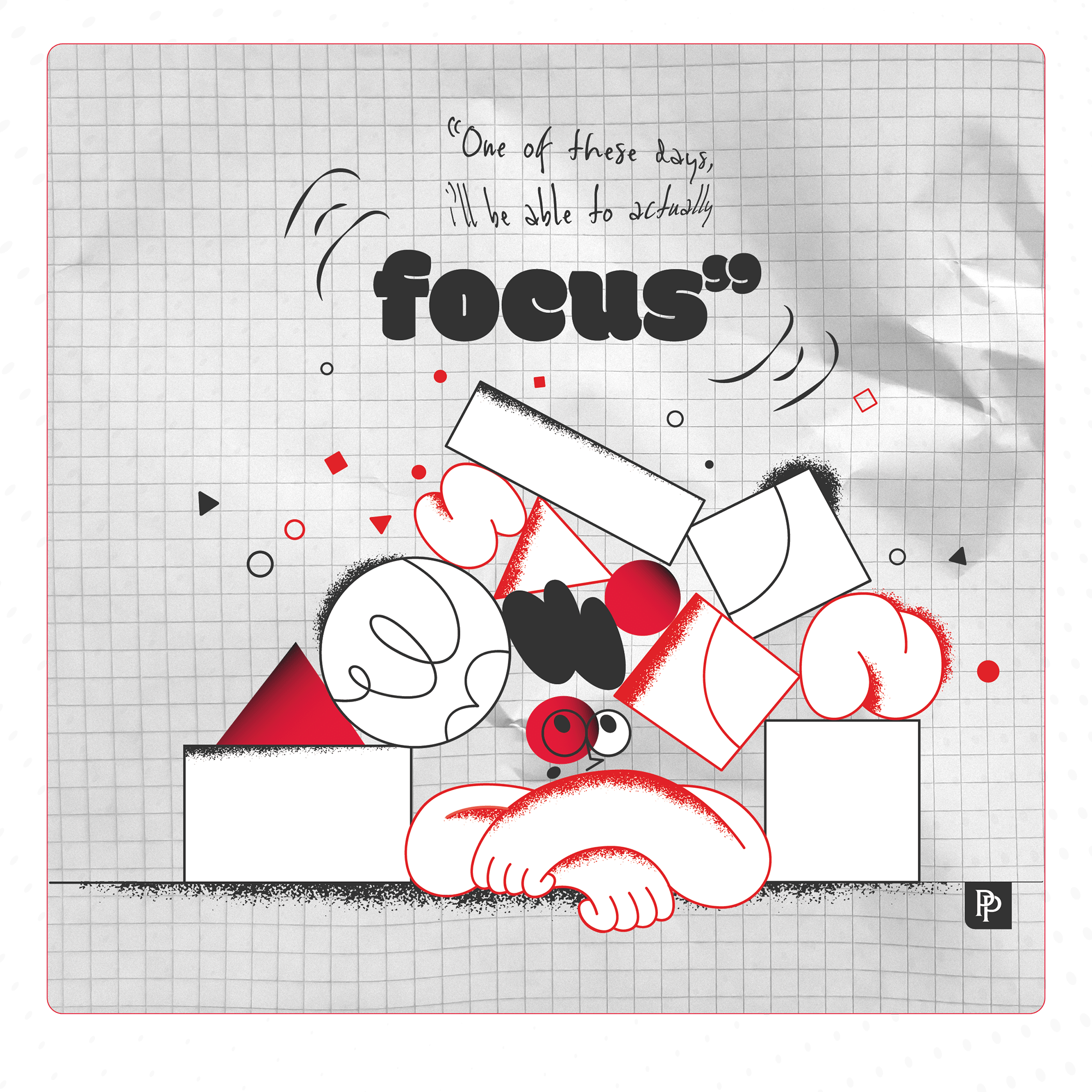
In machine building, success depends on where you direct your time, energy, and expertise. Yet for many OEMs, the focus has shifted away from where it creates the most value. Instead of driving innovation, developing customer-specific solutions, and strengthening market competitiveness, internal teams are buried in repeatable production tasks, operational firefighting, and managing capacity constraints.
This imbalance isn’t deliberate – it’s the inevitable result of trying to do everything in-house. As demand grows, so does complexity. Engineering teams juggle design refinement alongside build support. Operations managers spend more time rescheduling than planning. Senior leaders are pulled into day-to-day problem-solving rather than shaping long-term strategy. Slowly, the business’s true differentiators – often innovation, agility, and customer focus – become diluted under the weight of keeping production moving.
The hidden cost is lost opportunity. Every hour an engineer spends on repetitive builds is an hour not spent developing next-generation products. Every meeting spent troubleshooting schedules is time not invested in strategic partnerships or process improvements. Over time, these small diversions accumulate into a significant drag on growth and competitiveness.
Strategic outsourcing offers a way to reclaim that focus. By shifting specific production disciplines, sub-assemblies, or full system builds to a trusted manufacturing partner, OEMs free up their most valuable resource: their people. Engineers can return to solving complex problems, creating better solutions, and driving product innovation. Operational leaders can plan with confidence rather than react under pressure. Senior teams can concentrate on where the business is going, not just where it is today.
Crucially, outsourcing doesn’t mean losing control – it’s about gaining it back. A skilled partner operates as an extension of the business, aligning with quality expectations, delivery requirements, and strategic objectives. They bring structure, scalability, and consistency that allow OEMs to meet demand without compromise, whilst giving internal teams the bandwidth to focus on growth.
In a competitive market, differentiation rarely comes from doing more of the same – it comes from doing what matters most, better than anyone else. Outsourcing creates the space to achieve exactly that. It enables businesses to be proactive rather than reactive, strategic rather than stretched, and ambitious without being constrained by capacity.
Focus is your most valuable asset. Protect it, prioritise it, and build your business around it. Because when your teams spend their time where they create the most value, growth stops being an aspiration and starts becoming inevitable.
If you enjoyed this quickfire blog, there’s 11 more in the Hidden Cost of In-House series, and compiled into a downloadable illustrated e-book.
Download the e-book using the button below or add it to your resource basket and browse more informative guides and collected stories in the Resource Centre.

For many machine builders and OEMs, keeping manufacturing and assembly in-house feels like the safest route. But beneath the surface of familiarity lies a growing burden… All stories from the Hidden Cost of In-House series compiled with illustrations.
Add to basket
In your basket
Hidden Cost of In-House 12/12: In machine building, success depends on where you direct your time, energy, and expertise. Yet for many OEMs, the focus has shifted away from where it creates the most value.

Hidden Cost of In-House 11/12: For many machine builders and OEMs, keeping production in-house feels like the most cost-effective way to operate. But when you dig deeper, the numbers often tell a different story.

Hidden Cost of In-House 10/12: For many machine builders and OEMs, innovation starts strong. But then comes the challenge: moving from concept to production.

Hidden Cost of In-House 9/12: In modern machine building, supply chains have become increasingly fragmented. And for many OEMs, managing these relationships has turned into an operational burden.

Hidden Cost of In-House 8/12: For many machine builders and OEMs, the opportunities have never been greater. Yet whilst the possibilities grow, many manufacturers are constrained by what’s happening much closer to home.

Hidden Cost of In-House 7/12: Machine builders are under constant pressure to innovate. Customers want smarter, faster, more integrated systems. But as products evolve, production demands do too.

Hidden Cost of In-House 6/12: For many machine builders and OEMs, a growing order book should be a cause for celebration. But too often, it brings the opposite feeling – pressure, panic, and the looming risk of letting customers down.

Hidden Cost of In-House 5/12: Every machine builder knows that quality is a reputation-maker or breaker. But as production complexity grows and internal pressures rise, many OEMs find themselves slipping into a reactive mode. Quality control becomes damage control.

Hidden Cost of In-House 4/12: Technical skill is the lifeblood of any machine builder. But across the sector, that capability is under threat.

Hidden Cost of In-House 3/12: For many OEMs, firefighting has become business as usual. But it’s also a major reason why forward planning never quite gets off the ground.

One of the UK’s leading strategic manufacturing specialists is tapping into the UK’s unprecedented investment in upgrading the electricity grid.
As Britain accelerates investment in grid infrastructure, protection and control capacity could become a critical delivery constraint.

The appointment of a new Prime Minister inevitably brings renewed debate about the direction of the UK economy and what it could mean for business.

Ian Knight, Chief Information Officer at PP Control & Automation (PP C&A) challenges the prevailing, often vague narrative around AI adoption and reframes the conversation around a more practical starting point: operational constraints.
Artificial intelligence is no longer a distant concept for manufacturers. It is already being explored across quotation, production planning, engineering, quality, supply chain and customer service functions. Yet, for many organisations, the gap between experimentation and meaningful operational impact remains difficult to close.

A leading aquaculture specialist – that is changing the way fish are vaccinated safely – has signed a major manufacturing deal.

On paper, defined discipline-specific suppliers can look organised. However, every additional supplier introduces another handoff, and every handoff creates another point where time, quality, communication and accountability can be lost.

Very rarely does growth not surface because an OEM lacks ambition. Shortcomings arise because operating models built to support such ambition don’t evolve quickly enough.


